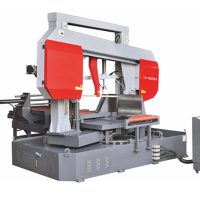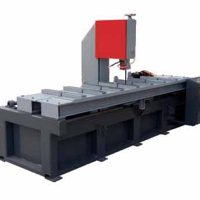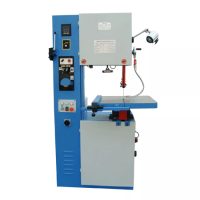
VS-400 Vertical Bandsaw
Cutting Capacity :
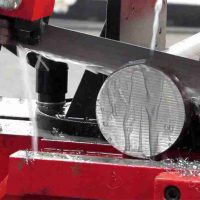
A heavy-duty bandsaw cutting machine is a powerhouse tool designed for the most demanding industrial cutting tasks. From metal fabrication to lumber mills, its ability to make precise, straight, or contour cuts in thick materials makes it indispensable. This guide breaks down everything you need to know in a clear, structured format.
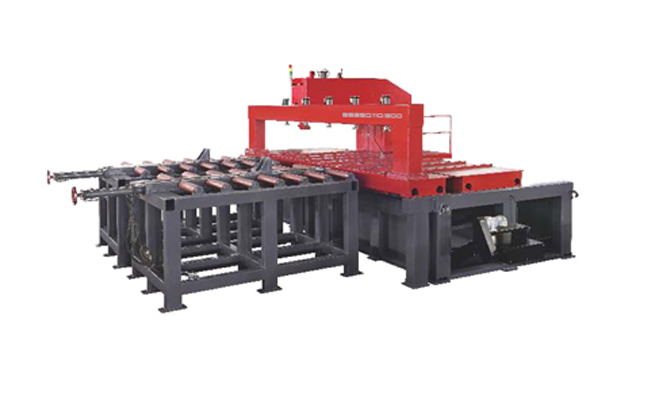
Unlike standard bandsaws, heavy-duty models are built for continuous operation, featuring robust frames, powerful motors, and components designed to withstand high stress. They are engineered to cut through tough materials like steel, alloys, thick wood, and composites with precision and efficiency.
Here are the core features that set heavy-duty bandsaws apart:
| Feature | Description | Primary Benefit |
|---|---|---|
| Robust Welded Frame | Made from heavy steel to minimize vibration. | Ensures precise cuts and extends blade life. |
| High-Torque Motor | Powerful motor (often 3HP+) for consistent power under load. | Enables continuous cutting of dense materials without stalling. |
| Advanced Blade Guides | Reinforced bearing or ceramic guides close to the workpiece. | Provides maximum blade support, reducing deflection for accuracy. |
| Variable Speed Control | Allows adjustment of blade speed (FPM). | Optimizes cutting for different materials (e.g., steel vs. aluminum). |
| Large Capacity | Significant cutting height (throat) and width capabilities. | Handles large, bulky workpieces other saws cannot. |
Heavy-duty bandsaws are versatile. Key applications include:
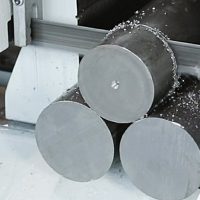
Metalworking: Cutting bar stock, pipes, tubing, and structural steel.
Woodworking: Resawing thick lumber for flooring or furniture.
Aerospace & Automotive: Cutting high-strength alloys and composites.
Construction: Fabricating rebar and other structural components.
Consider these factors before purchasing:
Material & Capacity:
Identify the maximum size (round or rectangular) and type of material you’ll cut most often.
Cut Quality & Features:
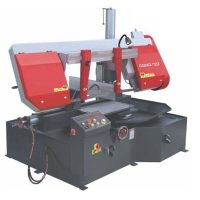
Decide between vertical (for contour cuts) and horizontal (for straight, production cuts) models.
Prioritize features like automatic feed systems and coolant systems for productivity.
Blade Specifications:
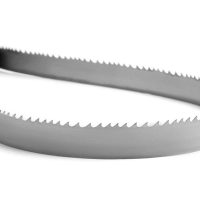
Match the blade type, width, and TPI (teeth per inch) to your material for clean, efficient cuts.
Durability & Support:
Choose a reputable brand known for build quality and ensure good after-sales service and warranty.
Always wear appropriate PPE: Safety glasses and gloves are mandatory.
Secure the workpiece: Use clamps or a vise to prevent movement.
Inspect the blade: Ensure it is properly tensioned, guided, and not damaged.
Let the machine do the work: Avoid forcing the material, which can lead to blade breakage.
Conclusion: Investing in a heavy-duty bandsaw cutting machine boosts workshop productivity, precision, and capability. By focusing on key features like the robust frame, powerful motor, and right blade selection, you can choose a reliable machine that meets industrial demands for years to come.
Target Keywords: heavy-duty bandsaw cutting machine, industrial bandsaw, metal cutting bandsaw, horizontal bandsaw, vertical bandsaw, cutting machine, bandsaw blade guide, variable speed bandsaw, workshop bandsaw, metal fabrication tool.
Cutting Capacity :
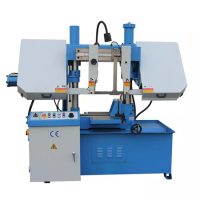
Cutting Capacity :